





How to Restore Performance Without Overdoing It
One of the biggest misconceptions about Kamado-style grills is that they require heavy cleaning. In reality, a Kamado Joe is designed to function more like a self-cleaning oven than a traditional grill. But that doesn't mean you can ignore maintenance altogether—especially heading into spring.
If your grill has seen a season of low-and-slow cooks, high-heat sears, and everything in between, a proper reset can make a noticeable difference in airflow, temperature control, and overall cooking performance.
Why Spring Cleaning Your Kamado Joe Actually Matters
Kamado cooking is a system built on balance—airflow, heat retention, and clean combustion all working together. Over time, ash buildup, grease residue, and carbon deposits start to interfere with that system. The result? Slower temperature response, dirtier smoke, and less efficient burns.
Spring cleaning your Kamado Joe isn't about making it spotless—it's about restoring that balance so your grill cooks the way it's designed to.
Reset Airflow, Burn Off Buildup, and Deep Clean Cooking Surfaces
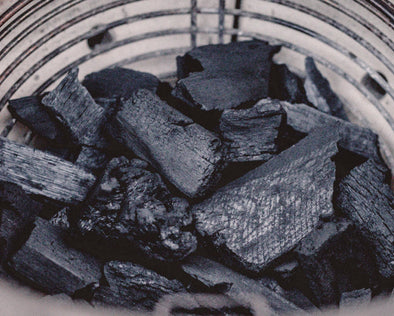
Start where it matters most: airflow. If your fire can't breathe, nothing else works properly. Using your ash tool, move in a circular motion to knock down leftover ash from previous cooks, then clear it out through the draft door. Even small amounts of ash buildup can restrict airflow and make it harder to reach or maintain target temperatures.
From there, skip the instinct to scrub everything down and instead let heat do the work. Bring your Kamado Joe up to 500–650°F and allow it to run for 20–30 minutes. This burn-off process naturally incinerates grease and breaks down carbon buildup on the interior, grates, and deflector plates—just like a self-cleaning oven. After it cools, use a grill brush to remove any remaining debris and finish with a light coat of oil on your grates.
For accessories, cleaning should be based on the material. Cast iron components should be cleaned without soap when possible and lightly re-seasoned with oil after use to prevent rust. Non-porous surfaces like soapstone can be wiped down with a small amount of soapy water and dried thoroughly. Avoid placing any grill components in the dishwasher, as high heat and detergent can damage surfaces and leave behind unwanted residue.


Key Differences: Check Seal Integrity, Vent Function, and Exterior Condition
Fine-Tune the Details: Vents, Ceramics, and Exterior Care.
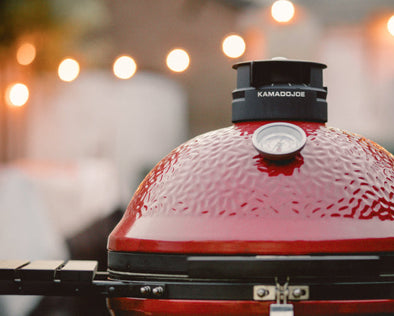
Once the internal system is reset, shift your focus to the components that control precision. The Kontrol Tower top vent, especially after long low-and-slow cooks, can accumulate grease and residue that affects airflow. Open it up, wipe it down with a bit of soapy water, and don't forget the underside—this is an easy win that directly improves temperature control.
The ceramic body itself requires a lighter touch. While it's durable, it's also porous, meaning it can absorb chemicals if you use harsh cleaners. Stick to mild soapy water and light pressure to clean any exterior buildup or residue. You may notice some natural discoloration or “dimpling” in the ceramic over time—this is normal and doesn't impact performance.
Finally, consider the overall condition of your grill. Check that your components are aligned, your vents move freely, and your grill is protected when not in use. A quality grill cover goes a long way in preserving both appearance and longevity.
Cleaning your Kamado Joe isn't about deep scrubbing or chasing a like-new look—it's about maintaining a high-performance cooking system. When airflow is clear, residue is under control, and your components are functioning properly, everything improves: temperature stability, fuel efficiency, and most importantly, flavor.
Put simply, a well-maintained Kamado Joe doesn't just cook better—it cooks the way it was meant to.